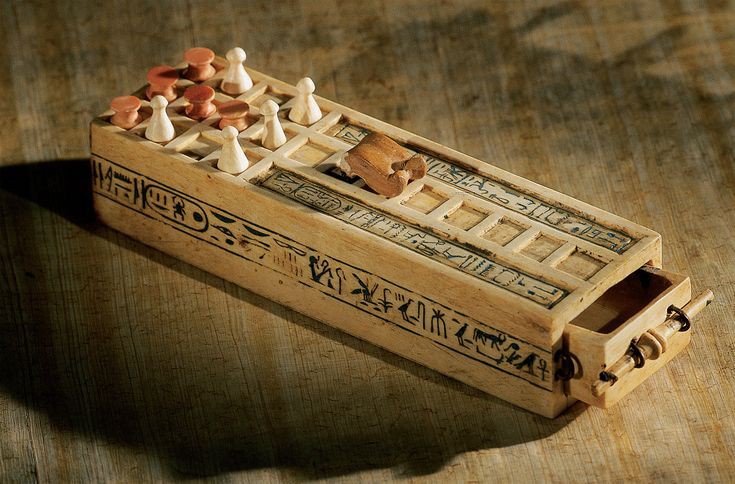
THE King Tutankhamun was buried with no fewer than five senet game boxes. Senet was an ancient Egyptian board game popular with all classes.
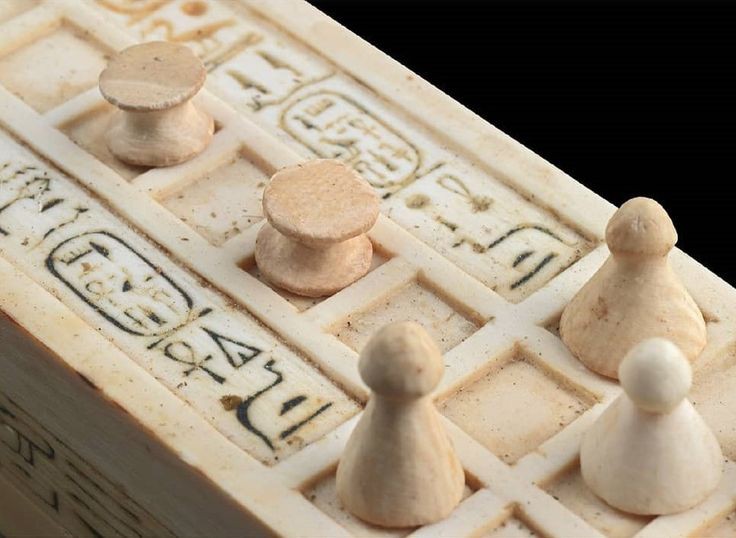
Archaeological evidence reveals that senet was played by both royalty (as demonstrated by this elaborate ivory set) and commoners (crude boards scratched in rock). The course of the game was thought to parallel the course of the deceased through the underworld.
The senet game much appreciated by the ancient Egyptians, whose rules are not yet very clear, but it could compare it to the “game of the Goose”. The word senet means “pass” and would reflect the progress of the game.
The ancient Egyptians believed in an afterlife, which means an existence after death. To reach the afterlife, a person who died had to perform certain rituals and pass many obstacles. In the New Kingdom, the game senet, which means “passing,” became associated with the journey to the afterlife.
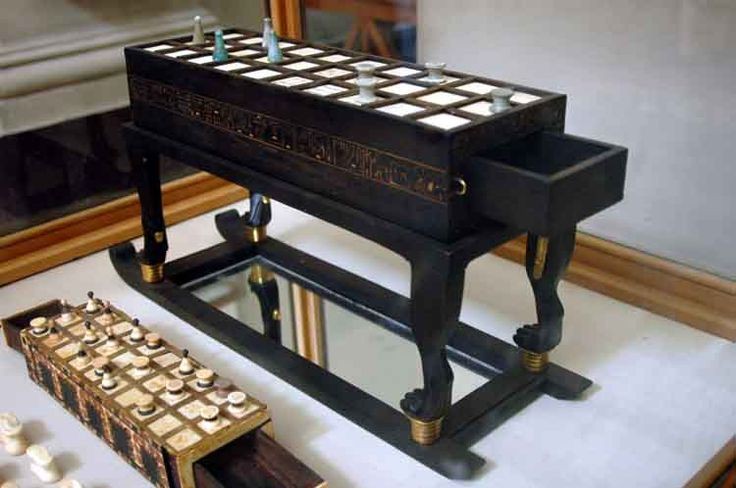
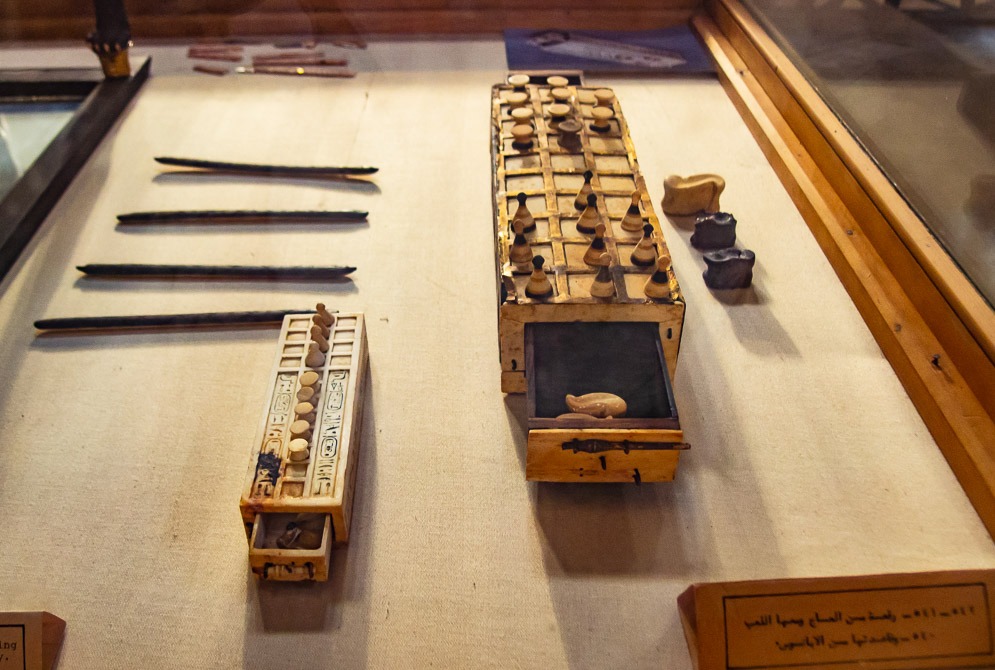
Some of the squares of the game corresponded to the hazards a person might meet on their journey to the afterlife, while other squares helped the players. Because of this connection, senet was not just a game; it was also a symbol for the struggle to obtain immortality, or endless life.able games were very much appreciated in ancient Egypt with the most popular being Senet. The game was for two people and played on a rectangular board with the upper surface divided into thirty squares; probably the game consisted of moving tokens around the board following the throw of small battens that corresponded to our modern dice. The lower surface of the board was used for playing the twenty-square game.
Tutankhamun had four senet boards of which the largest was the most lavish. The squares were inlaid with ivory and the board itself rests on a small frame with supports in the form of lion’ paws and fitted with runners. The drawer on the short side was found empty and removed from its housing and, as the tokens were missing, it is supposed that they were made from a valuable material and stolen by the tomb thieves. The token shown in the picture belonged to other, less magnificent, boards.
During the New Kingdom, Senet took on a magical-religious value and in the introductory formula in Chapter 17 of the Book of the Dead, it was considered essential that the deceased played a game against an invisible opponent to ensure his survival.
From the Tomb of Tutankhamun (KV62), Valley of the Kings, West Thebes. Now in the Egyptian Museum, Cairo.